Sungrown Cannabis Farms in Northern California Adapt to Post-Green Rush Realities
Northern California's cannabis farmers adapt to post-Green Rush realities, focusing on sustainable practices and community trust
Key Points
- 1Northern California's cannabis industry has evolved post-Green Rush, with a focus on sustainability
- 2Farmers like the Neukoms have integrated cannabis with other agricultural products
- 3Legalization has increased regulatory burdens on farmers, shifting focus to compliance
- 4Sun-grown cannabis is gaining recognition for its unique terroir and balanced effects
In the aftermath of California's Green Rush, the roads of the Emerald Triangle have quieted, marking a return to the region's earlier economic roots. Once dominated by its timber industry, Humboldt County and its neighbors transitioned to cannabis cultivation following the decline of logging due to environmental regulations and market shifts. This shift has defined the area's economy, evolving from underground operations to a licensed industry, with institutions like Cal Poly Humboldt adapting by offering cannabis studies programs and engaging with regenerative farming practices
The Green Rush, a period of rapid cannabis industry expansion from 2007 to 2016, brought a flurry of activity and investment to Northern California. This boom saw a transformation in local landscapes with the establishment of hoop houses and bustling commerce at local stores. However, as regulations tightened and wholesale prices fell, many newcomers exited the industry, leaving behind the original, resilient farmers who had deep roots in the community
Farmers like Amy and Jacques Neukom of Neukom Family Farm experienced the highs and lows of the cannabis boom firsthand. Their farm, which has been a staple in Willow Creek for over three decades, integrates cannabis with other agricultural products like fruits and vegetables. Despite initial concerns about community acceptance post-legalization, the Neukoms have built trust with their neighbors, who now appreciate their clean, locally-grown cannabis
The end of the Green Rush has forced remaining farmers to adapt and innovate to survive. Dylan Mattole of Mattole Valley Sungrown has scaled back operations and relies on community support to continue. The focus has shifted from rapid expansion to sustainable practices and building trust within the community, echoing the ethos of the early back-to-the-land movement
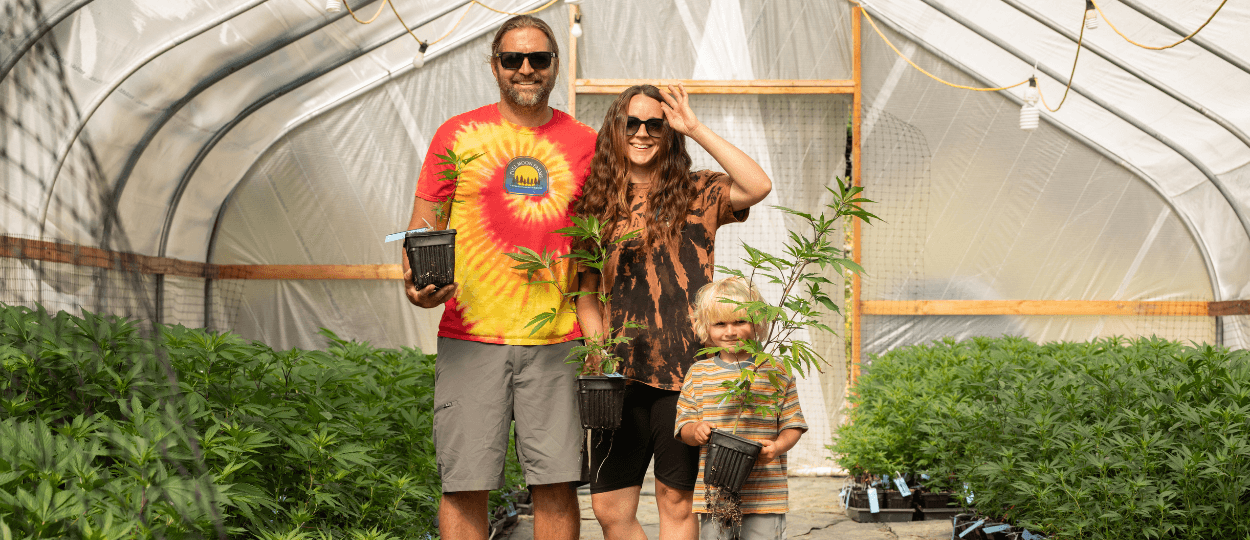
Legalization has brought significant challenges, including increased paperwork and regulatory compliance, which have burdened farmers who were once solely focused on cultivation. Farmers like Nik Erickson of Full Moon Farms emphasize the importance of community involvement and trust over sheer production volume. Erickson highlights the shift from focusing solely on plants to navigating complex legal and marketing landscapes
As the market evolves, there is a growing appreciation for sun-grown cannabis, which offers a unique terroir akin to wine. Farmers like Joseph Haggard of Emerald Spirit Botanicals focus on cultivating terpene-rich strains that provide balanced effects rather than high THC levels. This approach has resonated with consumers seeking a more nuanced cannabis experience, contributing to increased sales and recognition for sun-grown products
Despite these successes, challenges remain as buyers often prioritize high-THC products over the nuanced offerings of small farms. Efforts like California's cannabis appellations program aim to elevate the status of sun-grown cannabis, similar to the prestige of Napa Valley wines. However, education is needed to shift consumer perceptions and fully realize the potential of Northern California's cannabis industry