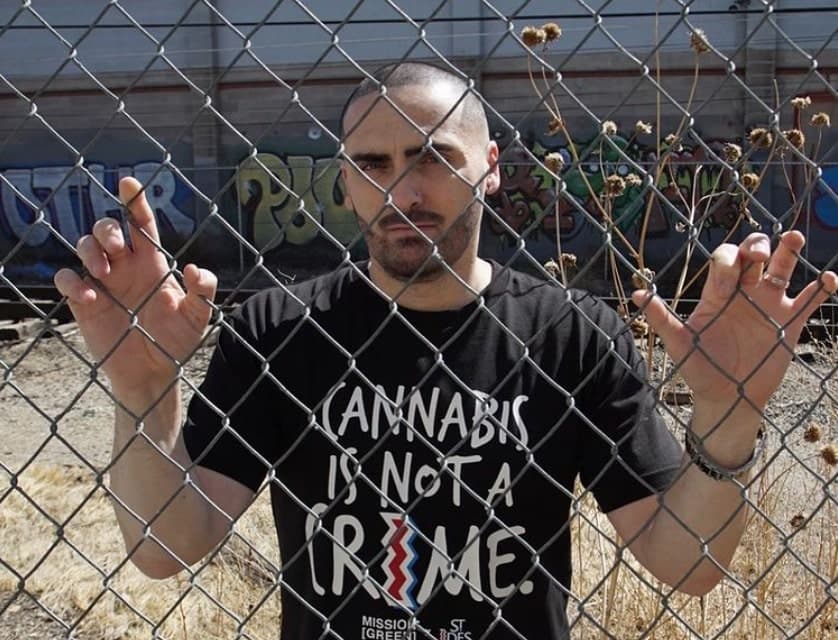
Former Marijuana Inmate Weldon Angelos Drives Trump-Era Cannabis Reform Efforts
Weldon Angelos, once sentenced to 55 years for marijuana, now leads efforts to reform U.S. cannabis policy and influence federal rescheduling under Trump
Key Points
- 1Weldon Angelos transformed from a federal marijuana inmate to a key advocate for cannabis reform
- 2He built a coalition of athletes and industry leaders to push Trump’s administration toward rescheduling cannabis
- 3Angelos’s case highlighted the harsh realities of federal drug sentencing and mandatory minimums
- 4He played a role in passing the First Step Act, reforming federal sentencing laws
- 5Angelos continues to push for clemency and broader cannabis legalization in the U.S
Weldon Angelos, once sentenced to 55 years in federal prison for minor marijuana offenses, has become a pivotal figure in U.S. cannabis policy reform, particularly in the push to reclassify marijuana under federal law. According to High Times, Angelos now leverages the same legal and political systems that once led to his incarceration, advocating for the rescheduling of cannabis from Schedule I to Schedule III. He played a critical role in assembling a coalition of athletes, industry leaders, and high-profile advocates to influence former President Donald Trump’s December executive order supporting rescheduling. Notably, Angelos enlisted the help of Mike Tyson and other prominent athletes, who urged the White House to fulfill campaign commitments on cannabis reform
Angelos’s advocacy is deeply informed by his personal experience with the harsh realities of federal drug sentencing. In 2004, as a rising music producer, Angelos was convicted on charges stemming from three small marijuana transactions and an allegedly fabricated firearm charge. "They really wanted Snoop Dogg," Angelos told High Times, describing how prosecutors used his proximity to hip-hop culture to pressure him into cooperation, ultimately resulting in a mandatory 55-year sentence. The trial's outcome was heavily influenced by prosecutorial tactics and mandatory minimum laws, with even the presiding judge later calling the sentence unjust
While serving 13 years of his sentence, Angelos witnessed the rapid transformation of the cannabis landscape, as states like Colorado and Washington legalized marijuana even as he and fellow inmates remained behind bars for related offenses. His eventual clemency in 2016, secured after years of advocacy from senators and celebrities, marked the beginning of his public campaign for broader cannabis reform. Angelos went on to work with the Trump administration on the First Step Act, which reformed some of the federal sentencing laws that had led to his lengthy incarceration
Angelos remains focused on the legal implications of rescheduling cannabis, arguing that the move is far from symbolic. "From where he sits, rescheduling is not symbolic, as it alters prosecutorial leverage, it narrows statutory ceilings and changes how federal cases are charged before a jury ever hears a word," High Times reported. Angelos is actively involved in dozens of clemency cases and anticipates that rescheduling will lead to further sentence reductions or releases for federal marijuana offenders. He cited recent cases where prosecutors have dropped cannabis charges in light of changing policies, signaling a shift in federal enforcement priorities
Looking ahead, Angelos continues to advocate for removing cannabis from the Controlled Substances Act entirely, though he views Schedule III as a meaningful interim step. He believes that rescheduling will immediately reduce sentencing exposure and prosecutorial leverage in federal cases, potentially impacting thousands. For the global cannabis industry, this development underscores the significant impact of federal policy shifts on both individual lives and broader criminal justice reform. From the OG Lab newsroom perspective, Angelos’s story illustrates how personal experience can drive systemic change, and his ongoing efforts are likely to shape the next phase of cannabis legalization and sentencing reform in the United States