French Polynesia Launches Scientific Study to Identify Optimal Local Cannabis Strains
French Polynesia has launched a three-year scientific study to identify CBD-rich, low-THC cannabis strains from local plants, aiming to develop a medical cannabis industry and boost the territory’s economy
Key Points
- 1French Polynesia authorized a three-year scientific study of local cannabis strains
- 2Dr. Edouard Suhas of Institut Louis-Malardé will lead the research
- 3The project will analyze seized cannabis plants for CBD and THC content
- 4The goal is to identify optimal strains for potential medical cannabis production
- 5French Polynesia was previously excluded from France’s national medical cannabis pilot
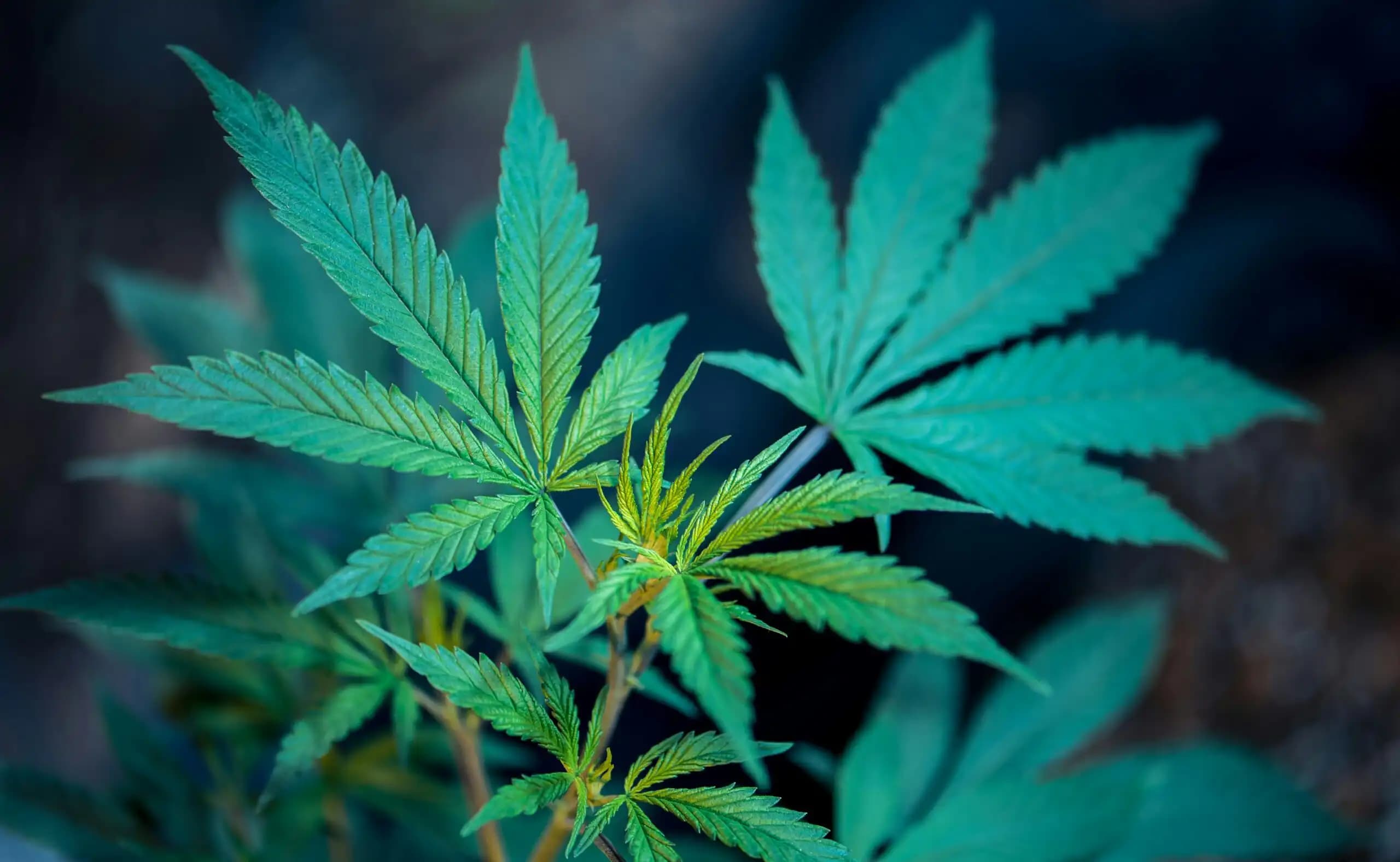
French Polynesia has embarked on a landmark scientific initiative to analyze its native cannabis, known locally as "pakalolo." The government recently authorized a three-year research project aimed at identifying cannabis plants with high CBD and low THC content, signaling a new phase in the territory's approach to cannabis regulation and economic development
Dr. Edouard Suhas, a bio-organic chemist at the Institut Louis-Malardé, has been selected to lead the project. He will be allowed to import, export, possess, extract, and process cannabis plants and derivatives exclusively for scientific purposes, with a legal monthly possession limit of up to 500 grams. "What interests us is to find a plant as rich as possible in CBD and as low as possible in THC," Dr. Suhas told Radio 1, highlighting the project's focus on medicinal potential over recreational use
The research, officially named the Pakalolo Screening Phytochemical Project, will involve analyzing confiscated cannabis plants collected by law enforcement from across the archipelago. Dr. Suhas plans to compare the chemical profiles of plants from different islands, asking, "Does the pakalolo of Huahine have the same profile as that which grew in the valleys of Tahiti or on the coral soil of the Tuamotu?" The study will scrutinize both THC and CBD concentrations to pinpoint ideal strains for future cultivation
This scientific effort comes as French Polynesia was previously excluded from France's national medical cannabis pilot, which began in mainland France in 2021. Unlike Réunion, which participated in the program, French Polynesia's unique legal status as an autonomous territory has led to distinct cannabis policies. The local Economic, Social and Cultural Council had previously expressed skepticism about the need for such experimentation, reflecting ongoing debates about the economic and social role of cannabis in the region
If successful, the project could pave the way for a regulated medical cannabis industry in French Polynesia. The government believes that identifying optimal strains could open doors for economic development and local production. As the president of the collectivity stated in the official decree, such a discovery "could be the vector for the development of an economically beneficial industry for French Polynesia." OG Lab sees this as a significant step, positioning the territory to potentially join the global medical cannabis sector while leveraging its unique botanical heritage
The outcome of this research will be closely watched, both for its potential to transform local agriculture and for its implications for cannabis regulation in other autonomous regions. With a focus on scientific rigor and economic opportunity, French Polynesia's approach may serve as a model for other island communities seeking to balance tradition, innovation, and public policy