Hemp-Derived THC Beverages Face Growth and Regulatory Uncertainty Amid Federal Ban Threats
Hemp-derived THC beverages are expanding rapidly in mainstream venues, sparking regulatory battles and industry division as a federal ban looms in the United States
Key Points
- 1Hemp-THC drinks are now sold at major venues like Chicago's United Center, offering alternatives to alcohol
- 2The 2018 Farm Bill enabled the growth of hemp-derived intoxicating products through legal loopholes
- 3A federal ban on hemp-THC products is set for November 12, with some states enacting their own restrictions
- 4Industry leaders are divided, with some companies exiting and others advocating for regulatory frameworks
- 5The outcome of this debate could reshape the future of cannabis beverage regulation and market access
Hemp-derived THC drinks are rapidly gaining popularity in major entertainment venues, offering consumers a new alternative to alcohol while triggering concern from both the alcohol industry and some cannabis advocates. At Chicago's United Center, concertgoers can now purchase hemp-based beverages containing 5 milligrams of THC, positioning these products alongside traditional alcoholic drinks for mainstream audiences. Rick Schepp, general manager of Rhythm beverages, emphasized the appeal: “If you put these drinks next to alcohol, consumers aren’t scared of them, and they’ll give them a try.” This move marks a significant step for cannabis companies seeking to reach consumers outside traditional dispensaries
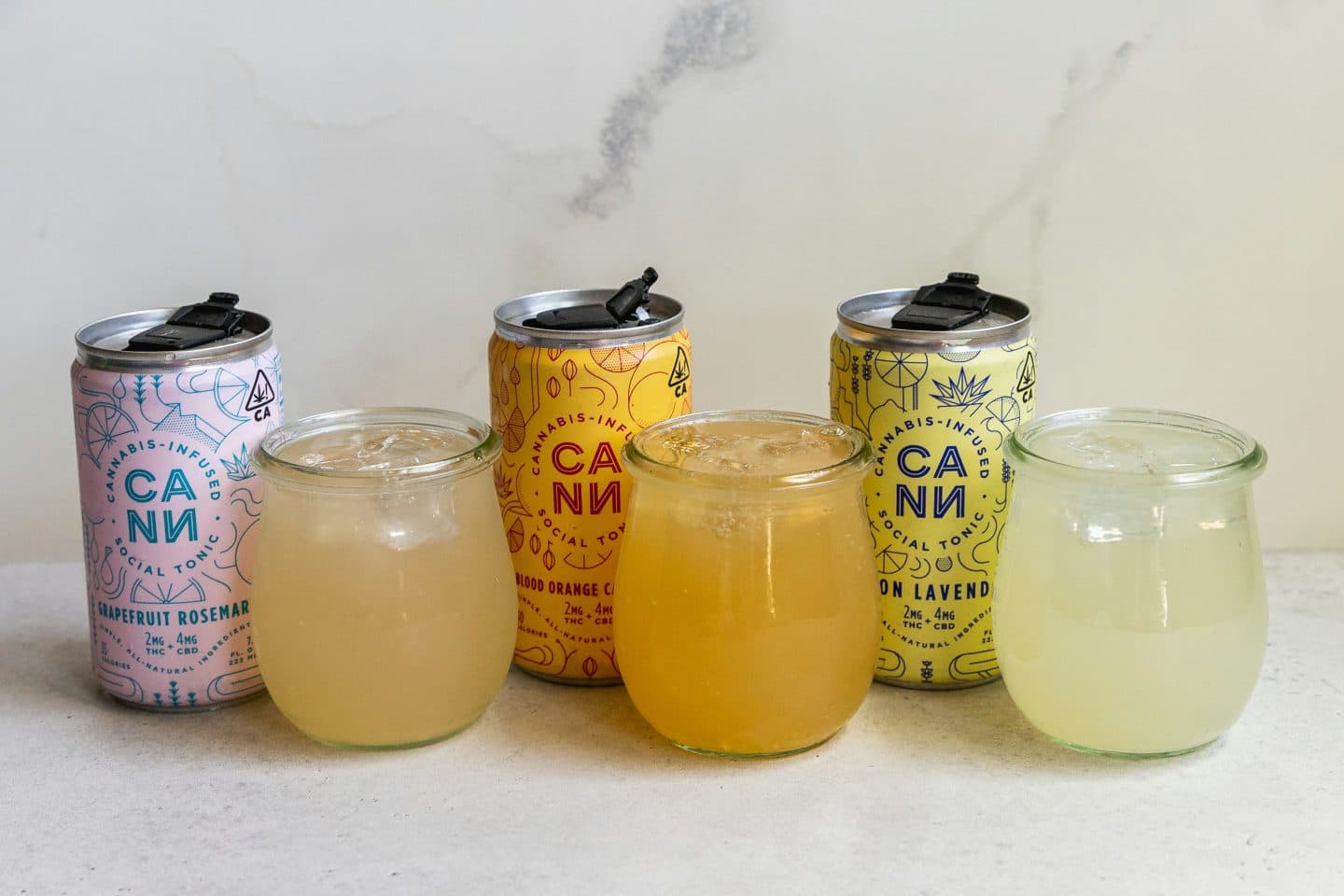
The surge in hemp-THC beverages is rooted in the 2018 Farm Bill, which legalized hemp and its derivatives with up to 0.3% THC by dry weight. This regulatory distinction allowed companies to develop a variety of intoxicating products such as drinks, gummies, and smokable flower that appeal to consumers seeking a "California sober" lifestyle—eschewing alcohol in favor of a cannabis-like experience. As a result, brands like Cann Beverages, Sky High, and Cornbread Hemp have entered the market, targeting customers who might avoid dispensaries or live in states without recreational cannabis laws
However, this booming segment faces mounting opposition and legislative threats. In late 2023, Congress passed a federal ban on hemp-THC products set to take effect on November 12, spurred by concerns from both the liquor lobby and some cannabis companies. Notably, Senator Mitch McConnell, who supported the original Farm Bill, has since criticized hemp-THC products for being marketed to children, despite laws restricting sales to adults over 21. Some states, including California and Oregon, have already enacted their own bans, and industry giants like Curaleaf are exiting the market in anticipation of tighter regulation
The debate has divided the cannabis industry itself, with companies such as Trulieve, Green Thumb Industries, and Tilray continuing to support hemp-based THC products, while others like Verano advocate for prohibitions. George Archos, CEO of Verano, cited safety and regulatory disparities: “Our challenges have been exacerbated by the years-long proliferation of untested, unregulated, unsafe hemp products across the country that have never been subjected to the same safety, regulatory, tax and banking restrictions our businesses face on a daily basis.” Meanwhile, proponents argue that the products are safe and in demand, with Cornbread Hemp CEO Jim Higdon noting significant job growth and stating, “Drinking something out of a can is a discreet and easy way of enjoying THC because smoking is taboo at a sporting event, a kids’ soccer game, or a birthday party.”
Industry stakeholders are now pushing for an extension of the federal deadline and the creation of a unified regulatory framework for hemp-THC products. Some advocates hope to attach such measures to broader agricultural legislation, seeking compromise on safety and quality standards to protect consumers while preserving economic benefits for farmers and businesses. As the battle intensifies, the outcome remains uncertain, with billions of dollars in revenue and hundreds of thousands of jobs at stake
From the OG Lab newsroom perspective, the fate of hemp-derived THC drinks could set a precedent for how novel cannabis products are regulated and integrated into mainstream markets. The industry’s response to looming federal restrictions and lobbying pressure will shape not only consumer access but also the broader conversation about cannabis normalization in the United States. This evolving landscape is one to watch for businesses, policymakers, and consumers alike as regulatory clarity and market demand continue to collide