Cosmic Radiation Challenges Cannabis Use in Space, Scientists Warn
Cosmic radiation may render cannabis ineffective in space, posing challenges for future long-duration missions, researchers warn
Key Points
- 1Cosmic radiation may nullify cannabis effects in space
- 2Research highlights risks to the endocannabinoid system
- 3NASA is developing shields against cosmic rays
- 4Current prohibition of smoking on ISS remains
- 5Understanding cosmic radiation is crucial for future missions
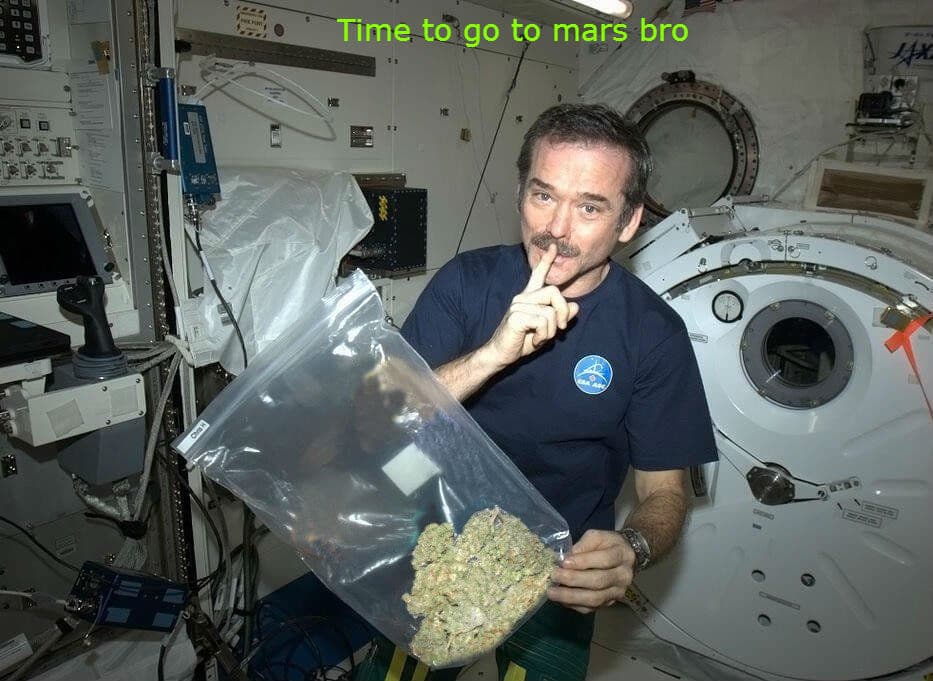
The prospect of using cannabis in space has sparked curiosity and debate among scientists and enthusiasts alike. While the idea of astronauts enjoying a joint in the International Space Station (ISS) might sound intriguing, practical and scientific challenges make this unlikely. The primary concern is the impact of cosmic radiation on the psychoactive effects of cannabis, which could render it ineffective, according to researchers from the University of California
Cosmic rays, composed of high-energy protons, pose a significant threat to the endocannabinoid system, which is crucial for maintaining homeostasis in the human body. Studies by American and Hungarian scientists have shown that these rays can disrupt the system, potentially nullifying the effects of THC, the main psychoactive component in cannabis. As Bruce Goldman suggests, understanding these effects is crucial for future long-duration space missions
Research led by Professor Sang-Hun Lee has delved into how space travel affects the brain, particularly the hippocampus, which is essential for memory and spatial awareness. The study found that cosmic radiation could alter the structure of neurons and impair cognitive functions, as evidenced by experiments on mice. These findings highlight the need for protective measures before humans embark on extended space journeys
The study, published in Brain Structure and Function, underscores the importance of developing cosmic ray shields to protect astronauts. NASA is actively working on such technologies, which could one day enable the safe consumption of THC in space. However, until these advancements are realized, the prohibition of smoking aboard the ISS remains in place
Looking ahead, the implications of this research extend beyond recreational use. As humanity eyes long-term space exploration, understanding the effects of cosmic radiation on human health becomes paramount. The development of effective countermeasures could open new possibilities for maintaining mental well-being during prolonged missions