Dutch Cannabis Cafés Begin Selling Marijuana from Licensed Growers in Regulatory Experiment
Dutch cannabis cafés in 10 municipalities begin selling marijuana from licensed growers to assess impacts on crime and health
Key Points
- 180 Dutch cannabis cafés start selling licensed marijuana
- 2The experiment runs until 2029 in 10 municipalities
- 3Aims to reduce illegal market influence and improve safety
- 4Initial focus on marijuana; hashish expected by June 10
- 5Part of a shift from 'gedogen' policy to regulated production
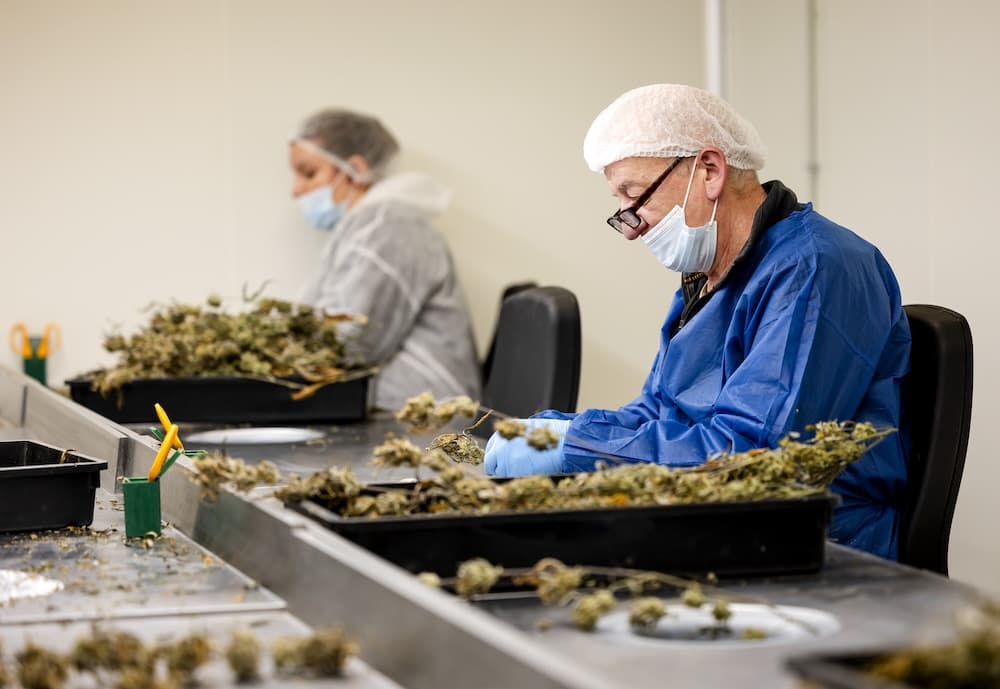
Starting Monday, 80 cannabis cafés across 10 Dutch municipalities will exclusively sell marijuana from licensed growers as part of a significant regulatory experiment. This initiative, which will run until 2029, aims to evaluate the impact of licensed cannabis production on organized crime and consumer health. The participating areas include Arnhem, Almere, Breda, Groningen, Heerlen, Maastricht, Nijmegen, Tilburg, Voorne aan Zee, and Zaanstad
The experiment, first proposed in 2018, seeks to replace the Dutch policy of 'gedogen,' which allows the sale of cannabis in licensed outlets but prohibits large-scale production. This 'front door, back door' policy has been in place since the 1970s, differentiating between 'soft' and 'hard' drugs. The government hopes the new system will reduce the influence of the illegal cannabis market by closing the 'back door' of illegal supply
Initially, the cafés will not offer hashish due to supply uncertainties, as stated by Justice Minister David van Weel. Government inspectors will monitor the cafés to ensure compliance with the new regulations. If conditions permit, hashish will be legally available starting June 10. Willem Vugs, a coffee shop owner in Tilburg, expressed approval of the delay, emphasizing the importance of quality and variety in legal cannabis production
Breda mayor Paul Delpa, a strong advocate for a regulated cannabis system, highlighted the safety concerns associated with the current policy. He noted that while cannabis can be legally purchased, its production remains illegal, fostering a thriving criminal market. The experiment aims to address these issues by creating a transparent and legal supply chain for cannabis products, ultimately enhancing public safety