States Shift Strategies as Federal Ban on Hemp THC Looms
States are reconsidering their hemp THC regulations following a federal ban, with several moving towards outright bans. This shift could significantly impact the $28.3 billion hemp industry
Key Points
- 1Federal ban on hemp THC signed into law by President Trump
- 2States like Ohio, Illinois, and Florida are considering or implementing bans
- 3Ohio Governor Mike DeWine supports aligning state law with federal regulations
- 4Illinois Governor JB Pritzker favors regulated sales through marijuana channels
- 5Florida's Attorney General supports a crackdown on illegal hemp products
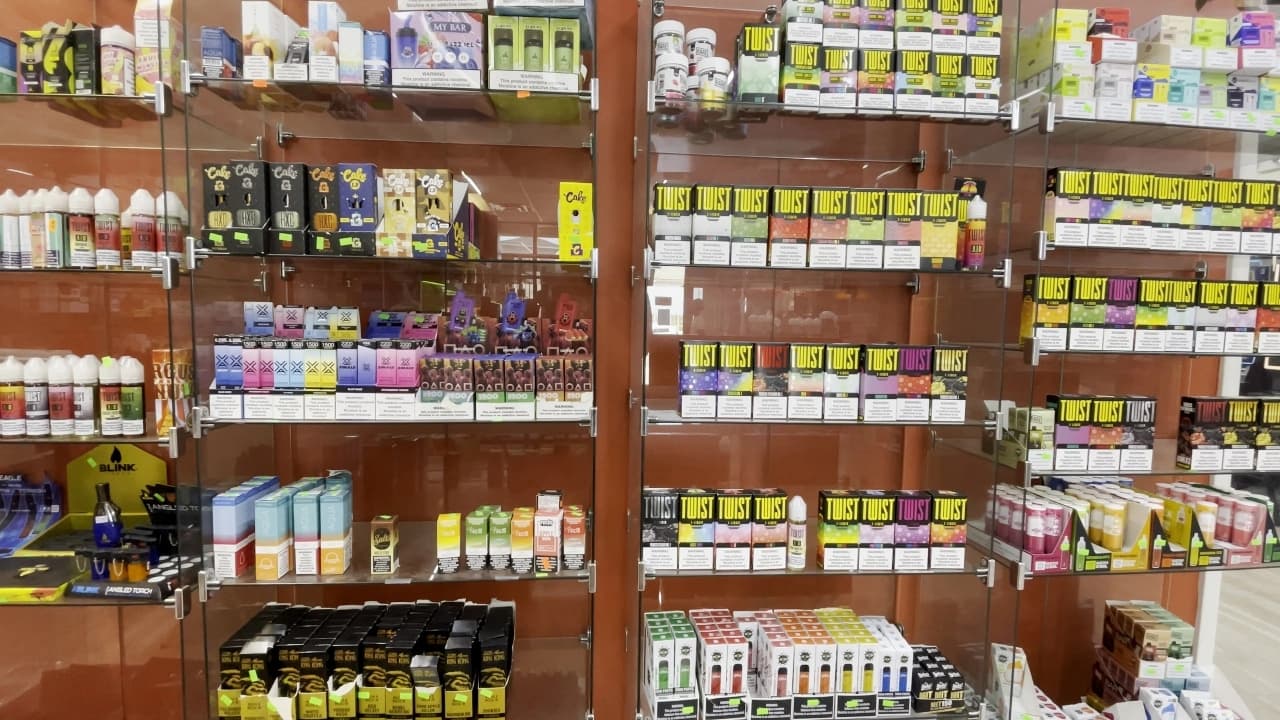
In a significant move that could reshape the hemp industry landscape, states are beginning to abandon their individual regulations on hemp THC following a federal ban signed into law by President Donald Trump. This federal action, which will classify hemp THC products as controlled substances by November 2026, is prompting states like Ohio, Florida, and Illinois to consider outright bans rather than developing their own regulatory frameworks. This shift is seen as a direct response to the new federal stance, which aims to close the so-called Farm Bill loophole that previously allowed for the proliferation of hemp-derived THC products
Ohio is at the forefront of this regulatory shift, with lawmakers contemplating a tentative agreement to scrap proposed regulations in favor of a comprehensive ban. Governor Mike DeWine has expressed support for this approach, aligning with the federal directive to eliminate confusion and streamline enforcement. DeWine's executive order from October, which bans hemp THC products, is currently stalled in the courts, but he remains optimistic that state legislators will follow Congress's lead. "I would certainly hope that the easiest thing for the legislature to do is just basically mirror the federal law," DeWine stated, highlighting the potential for a unified regulatory approach
Other states are also reevaluating their positions in light of the federal ban. Illinois Governor JB Pritzker had already been considering executive action to restrict hemp-derived THC sales before the federal decision. Pritzker supports a regulatory model similar to California's, which confines the sale of hemp THC products to state-regulated marijuana channels. His frustration with the industry's reluctance to accept regulation was evident in his comments to the Chicago Sun Times, where he noted, "I have been disappointed that the industry here has been unwilling to accept proper regulation."
The implications of this regulatory shift are profound, particularly for hemp businesses that have thrived under the previous regulatory framework. State Rep. La Shawn Ford of Illinois expressed concern over the impact on entrepreneurs who have invested heavily in the hemp sector, stating, "The state allowed for hemp businesses to proliferate, and now the rug is going to be pulled from under them." This sentiment is echoed by industry stakeholders who fear that the swift move to bans could stifle innovation and economic growth in the sector
In Florida, the response to the federal ban has been mixed. While Governor Ron DeSantis previously vetoed a proposed state-level ban on hemp THC, the state's Attorney General James Uthmeier has welcomed the federal action, suggesting that a regulatory overhaul is necessary. Uthmeier indicated that Florida might soon see a crackdown on illegal hemp products, aligning state enforcement with federal objectives. This proactive stance reflects a broader trend among states to align more closely with federal regulations, potentially leading to a more cohesive national policy on hemp THC products