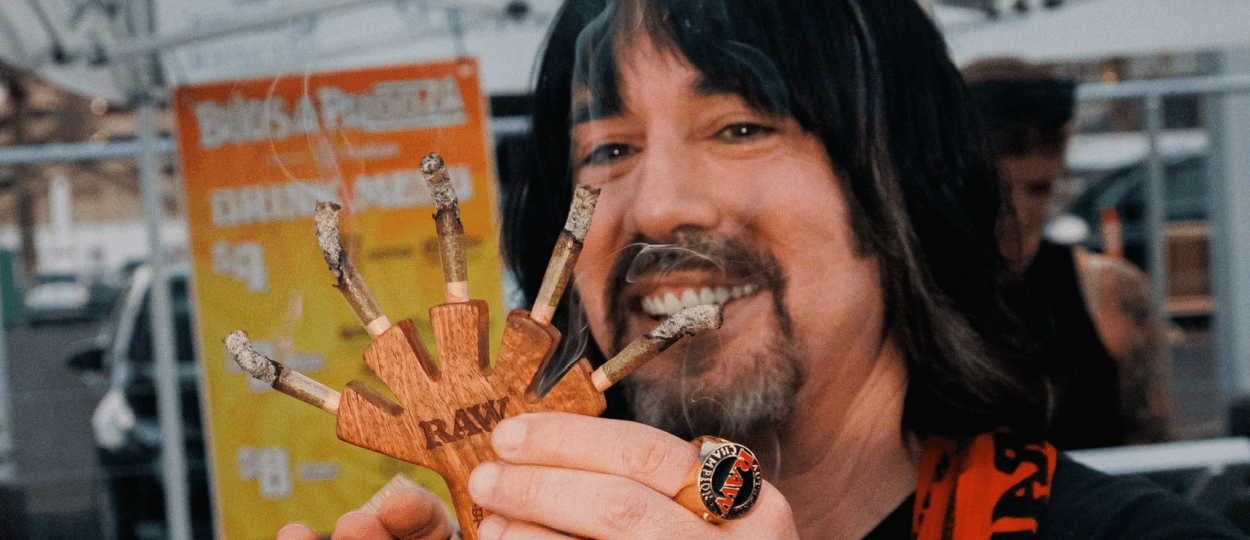
The Tattoo Test: How RAW's Josh Kesselman Defines Iconic Branding
Josh Kesselman, founder of RAW, introduces the 'tattoo test' as a measure of brand authenticity, emphasizing that true brand loyalty is built on authenticity and transparency
Key Points
- 1Josh Kesselman introduces the 'tattoo test' for brand authenticity
- 2Authenticity and transparency are key to building consumer trust
- 3The tattoo test reflects a brand's cultural integration and loyalty
- 4Kesselman advises on overcoming industry challenges through innovation
- 5RAW's branding philosophy emphasizes lasting consumer relationships
In the ever-evolving landscape of branding, Josh Kesselman, founder of RAW, has introduced a straightforward litmus test for brand authenticity: the tattoo test. Speaking at the IgniteIt Cannabis Market Spotlight in California, Kesselman challenged brand founders to consider whether their brand is 'tattooable.' He argues that if people are willing to ink a brand's logo onto their skin, it signifies a deep cultural connection and authenticity that transcends mere merchandise. This approach is emblematic of Kesselman's philosophy that true brand loyalty is built on authenticity and transparency
Kesselman’s insights emphasize the importance of authenticity in branding, starting with the individual behind the brand. He believes that authenticity cannot be manufactured; it must be inherent in the person creating the product. "If you’re not an authentic person, how the fuck are you going to make an authentic product?" he asked, underscoring the necessity of genuine intent and honesty in business. Kesselman practices what he preaches by openly discussing the imperfections in his products, a strategy he believes fosters trust and loyalty among consumers
The concept of the tattoo test is not just theoretical; it has practical implications for brand growth and consumer loyalty. Kesselman highlighted that a brand's logo should tell a story and create a sense of belonging. If a brand achieves this, it becomes part of the culture, as evidenced by NBA Champion Gary Payton II, who sports a RAW tattoo. This cultural embrace signifies that the brand has transcended its origins to become a symbol of a shared identity and values among its followers
Kesselman also addressed the challenges faced by new brands, particularly in the cannabis industry, where legal and competitive pressures are prevalent. He advised founders to expect resistance from established players and to view innovation as a fundamental duty rather than a buzzword. "Innovation is why business exists," he stated, encouraging entrepreneurs to continuously improve their offerings and find new ways to meet consumer needs despite obstacles
The authenticity and transparency advocated by Kesselman serve as a blueprint for building enduring brands. By sharing his own vulnerabilities and failures, he creates a connection with his audience that is both relatable and inspiring. This approach not only builds consumer trust but also encourages a culture of continuous improvement and innovation. As Kesselman puts it, the goal is to build something that people would proudly wear for life, not just purchase for a fleeting moment. This philosophy encapsulates the essence of the tattoo test, where a brand's true value is measured by its ability to become a lasting part of its consumers' lives